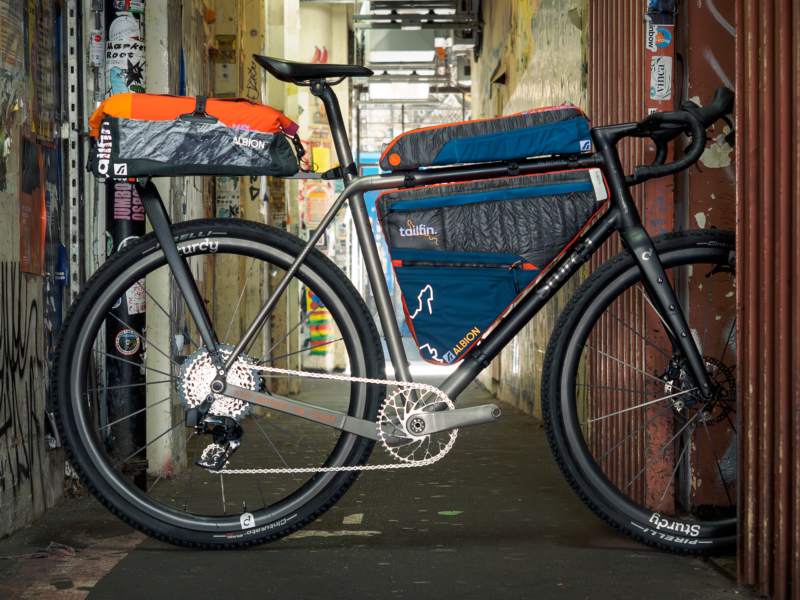
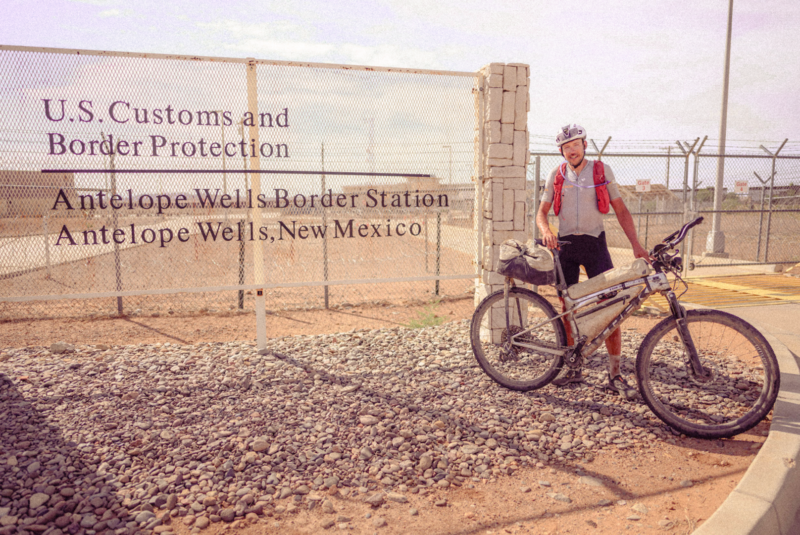
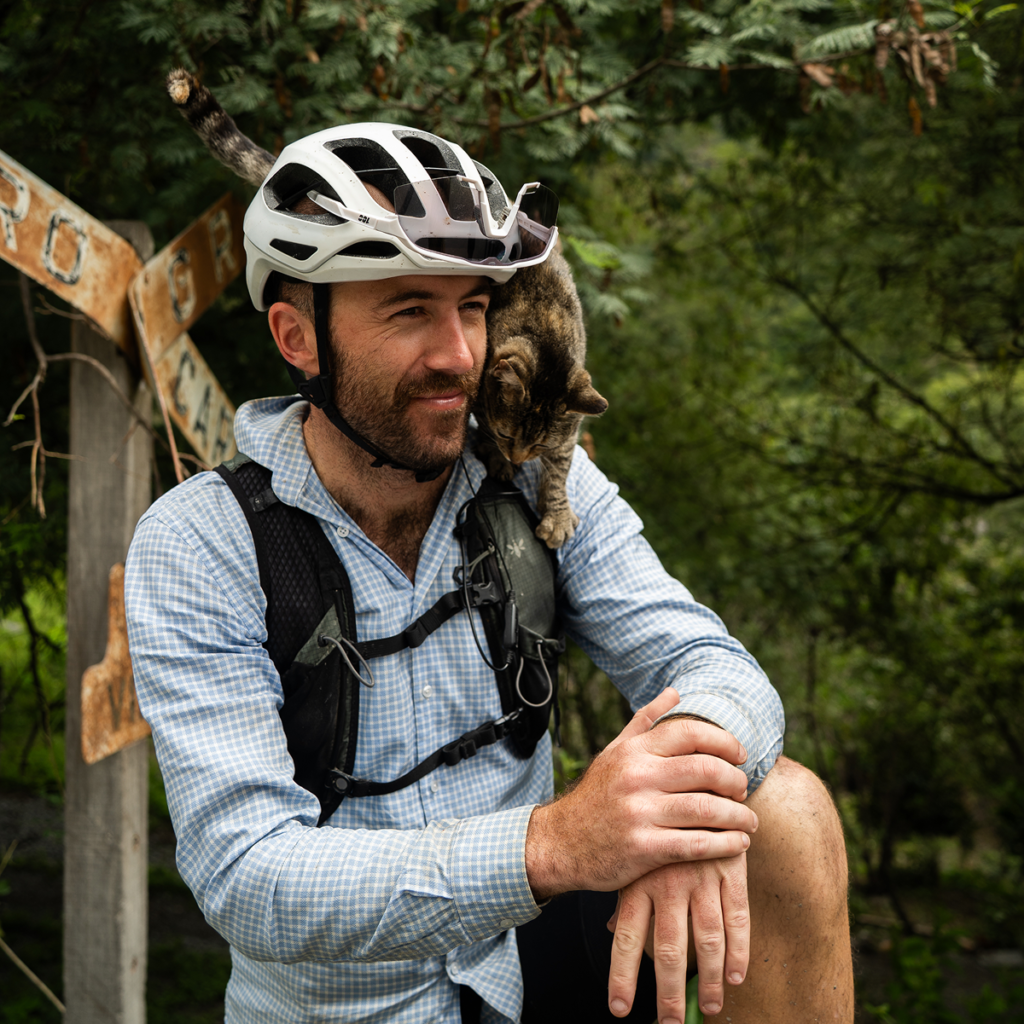
Gus Burrell is Curve Cycling’s Expedition Guru. He grew up on a family farm before racing cross-country MTB and moving into high-performance cycling coaching, studying exercise physiology and outdoor survival along the way. Bikepacking since 2014, he set off in 2019 to circumnavigate the globe solo on his Curve “Kevin of Steel,” riding through Japan, Mongolia, Kyrgyzstan, Lesotho, Scotland, Spain, Argentina and Chile over roughly a year – living off the land and getting by through language barriers and remote stretches of steppe with no support. He now designs and guides Curve’s international bikepacking expeditions, and still gets out on his own big rides whenever he can. On Thursday 9th July Curve Expedition legend Gus is coming to Tailfin HQ for an evening dedicated to the art of the expedition. We caught up with him beforehand to get the inside scoop.
Tell us a little bit about your backstory – how you got into leaving Australia to ride your bike?
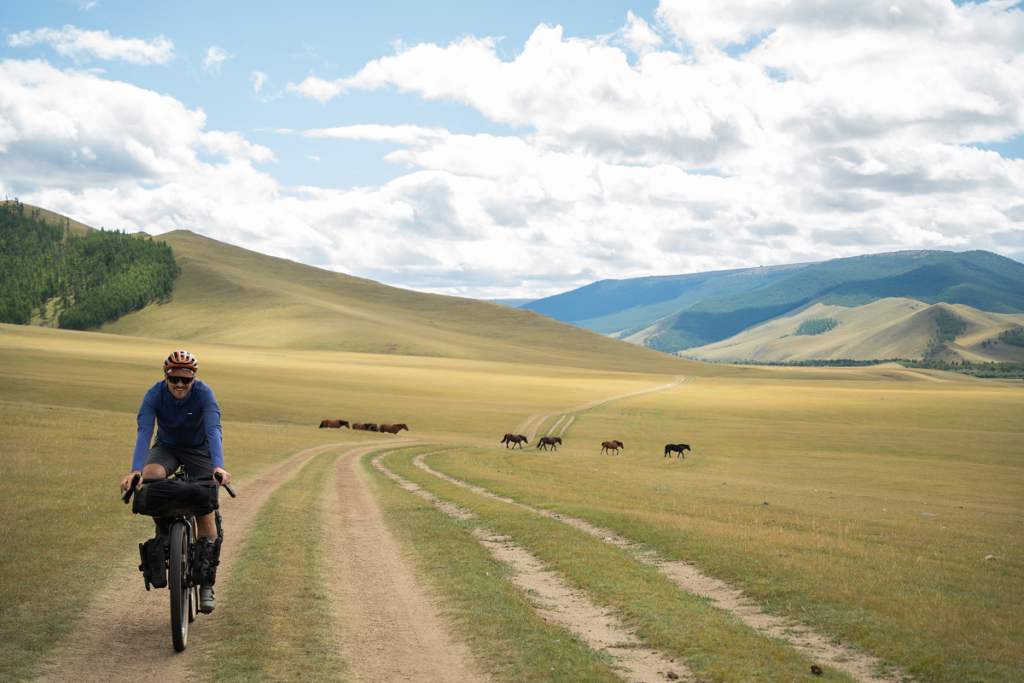
For a long time, I had been very inspired to see two places in particular, Patagonia and Mongolia. This largely came through reading stories and watching films of other adventurers. Mainly an Australian man named Tim Cope. He rode from Mongolia to Hungary in the early 2000’s. Not on a bike, but on horseback! Through his story, my mind was opened far beyond the stereotypes of central asian nomadic life and planted a seed of what an adventure of my own could look like. In 2018 I was ready for a change in life, seeing and doing something different. I packed up my life and headed off on my fully loaded Kevin of Steel.
Before all this, you were into coaching and studied outdoor survival and first aid – what took you down that path?
I was lucky to have some amazing teachers through my younger years, who really inspired me to go after the things I have. I’ve worked for many years as a rowing and cycling coach, as well as studying exercise and sports science. My passion for sports, and really understanding everything around cycling performance led me to continually pursue this path. Part of my education involved outdoor education, survival, and first aid. Through those programs, I took part in endurance orienteering programs, learnt navigation techniques, and really began to appreciate what it means to hone the skills of an expert in the field.
At what point did “travelling alone” turn into building Curve Expeditions — what was the actual moment it became real?
Throughout 2019, I was living my dream. Exploring the world by bike, purely for myself. I was sharing a few stories and photos along the way which caught the attention of some people. Ryan and I were speaking and we began to further discuss the concept of Curve Expeditions. All of the amazing experiences I was having certainly appealed to many people, we spent a long time developing what would become Curve Expeditions. Effectively taking the experiences I had been lucky enough to have, and enabling other people to have their own adventures through Curve Expeditions.
What’s the most loved bit of kit you’ve carried on your recent trips, and why?
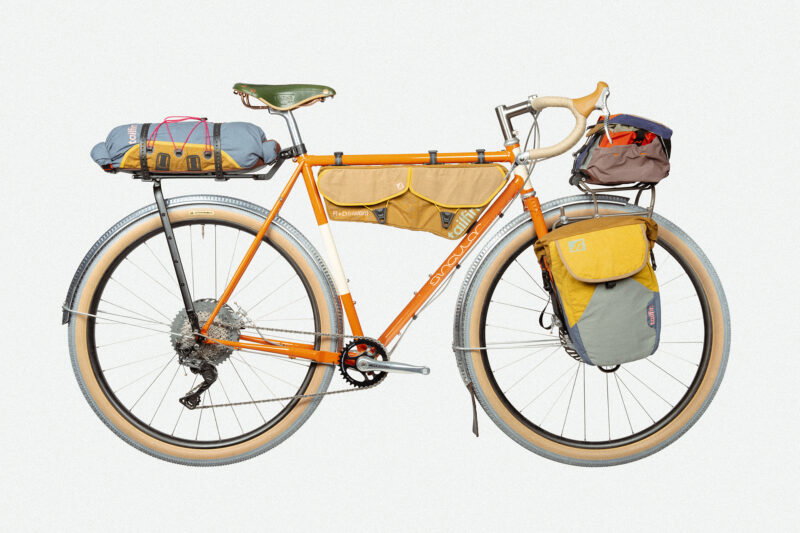
I think I would have to say my camera, I’ve spent years finding the setup that works for me and figured out a way to carry it that is reasonably comfortable. Being able to look back on an adventure with some amazing photographs is special. Since getting a set of the Tailfin Fork Packs in late 2024 they have become my favourite bit of kit. Their versatility is a huge plus. For many years, I played around with various systems, eventually settling on my own handmade setups for a fork pack style bag. Only the fork packs have beaten that setup, and now I’m super confident with them. Insanely durable, waterproof, and the x clamp system just works. There’s not much to say about them. My belief in this kind of thing is that a piece of kit passes the test when you don’t notice it. You can just set and forget, meaning it does its job!
How has your kit setup changed between the 2019 solo trip and now, leading expeditions across very different terrain?
The variety of gear available these days is far broader than it was 10 years ago for example. I remember a bikepacking trip with my brother in 2014 with just heavily laden backpacks! I like having a neat and tidy setup which clean and organised. Meaning everything can live in one place and you develop a muscle memory. If anything, I’ve reduced the number of items I carry with me, it’s very intentional and everything has at least a few purposes.
What pulled you to Mongolia specifically?
For a long time I had been very inspired to see two places in particular, Patagonia and Mongolia. This largely came through reading stories and watching films of other adventurers. Mainly an Australian man named Tim Cope. He rode from Mongolia to Hungary in the early 2000’s. Not on a bike, but on horseback! Through his story, my mind was opened far beyond the stereotypes of central asian nomadic life and a seed was planted of what an adventure of my own could look like.
What was it actually like filming with the nomadic families?
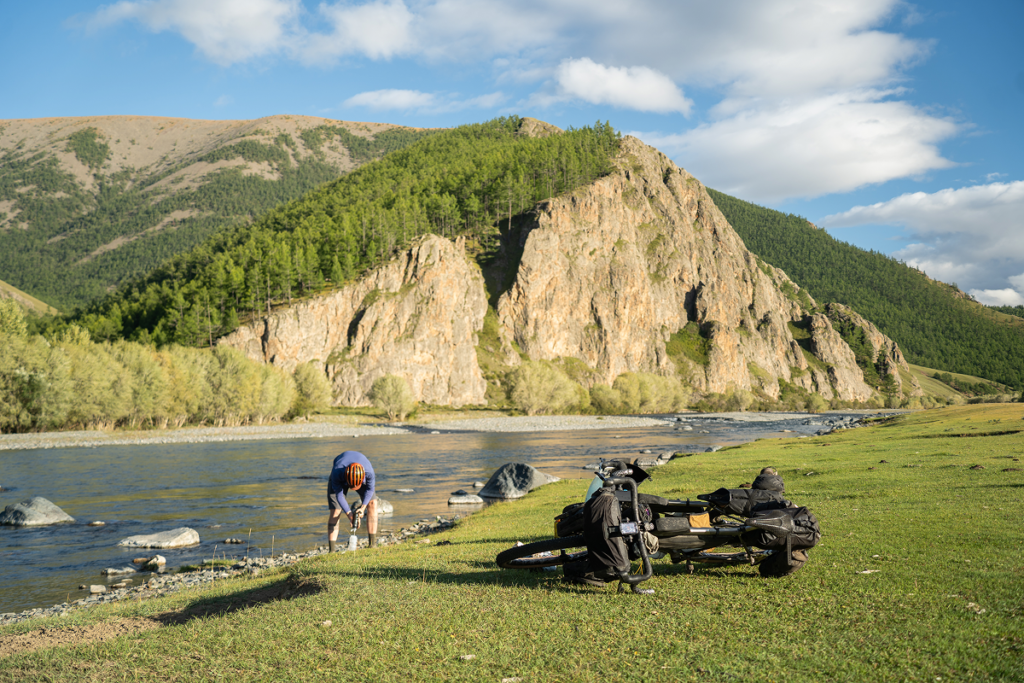
I really struggle with filming or photographing subjects up close. My natural style of photography is definitely more landscape. Luckily, the bulk of the filming work was done by Andrei Burcea, a friend of Curve who resides in Romania. He’s a professional videographer and photographer. We worked together on planning, scouting and shooting the film based on my experience in Mongolia, and the specifics of the route. Going inside the family Ger is a privilege, and getting the interactions and their daily activities on film was amazing to look back on. They are tough people and seeing their skills and knowledge up close is very impressive.
Why make a film about this trip in particular?
The undertaking of our Mongolian Expedition is no small task. Travel in Mongolia is complicated, as is life in general. It’s a unique part of the world where life is still very similar to how it was 1000 years ago for the nomadic people. Pulling together the Mongolian Expedition really feels like the culmination of a long journey for Curve. It’s a huge logistical exercise but it’s so worth it. The experience of riding your bike across the Steppe is something very special. For these reasons, we wanted to try and capture as much of the adventure as possible.