There are bike races, and then there’s the Tour Divide.
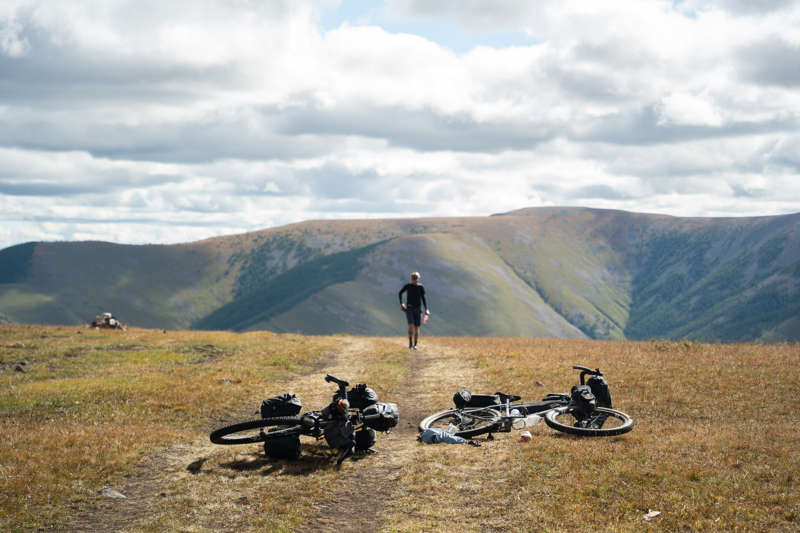
Kicking off on the second Friday in June each year with the Grand Depart from Banff, around 200 riders start their journey south. Their destination: Antelope Wells, New Mexico, a lonely border crossing at the very bottom of the US. That’s roughly 2,745 miles of dirt roads, mountain passes, desert tracks, gravel, hike-a-bike, and whatever the weather decides to throw at them. No stages, no support crews. Just the rider, the bike, and the route.
In 2026, Tailfin R&D riders Victor Bosoni, Alex McCormack and Seb Breuer are taking their place in the lineup.
Want to keep up to date with The Tour Divide 2026?
Get the latest coverage, track the race and follow your favourite rider.
Listen to Josh Ibbett’s coverage on his Ultrascape Podcast.
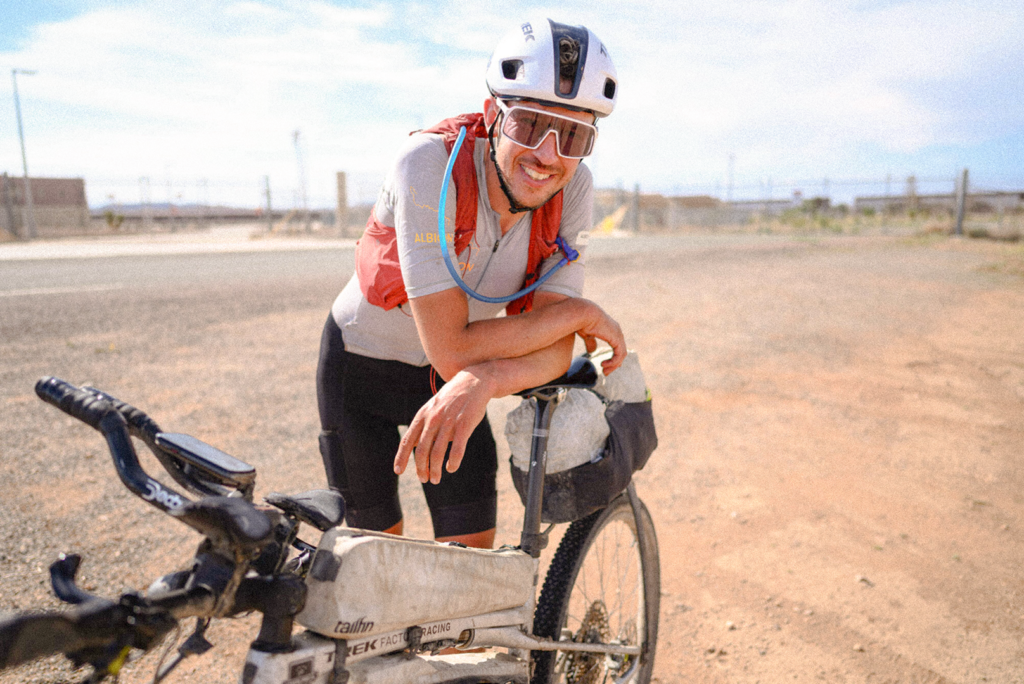
How Does the Tour Divide Race Work?
The Tour Divide follows the Great Divide Mountain Bike Route (GDMBR) – widely considered the most important off-pavement cycling route in North America, if not the world. The route traces the Continental Divide from the Canadian Rockies all the way to the New Mexico desert.
That’s around 150,000 feet of elevation gain. Five US states and a chunk of Canada. Remote wilderness sections where the nearest town can be 100 miles away. Bears in the north. Scorching desert in the south. Snowstorms in June that have a habit of showing up exactly when you least expect them.
The format is about as pure as racing gets. Attempts are solo and self-supported, with the clock running non-stop from start to finish. There are no required checkpoints or designated rest periods. Riders can buy food, stay in motels, use bike shops – but no outside support crew, no pre-arranged drops, nothing that gives you an edge another rider couldn’t access. No entry fees. No prizes.
The History of the Tour Divide Race
The roots of the Tour Divide go back to 1997, when the Adventure Cycling Association mapped the Great Divide Mountain Bike Route – at the time, the longest off-pavement cycling route in the world. People started riding it for the adventure. Then someone decided to race it.
The first formal race followed in 2004, conceived by cyclist Mike Curiak and originally called the Great Divide Race. It started at the Canadian border in Roosville, Montana. When Adventure Cycling extended the route north by 221 miles to Banff, Matthew Lee – one of the original racers – pushed to move the start line to match. The Tour Divide race was born in 2008, with Lee winning that first edition in 19 days and 12 hours.
It’s widely credited as the originator of modern off-road ultra-endurance cycling – the template from which so many of today’s big bikepacking events take their cues. No entry fee. No prize money. No fuss. Just the route.
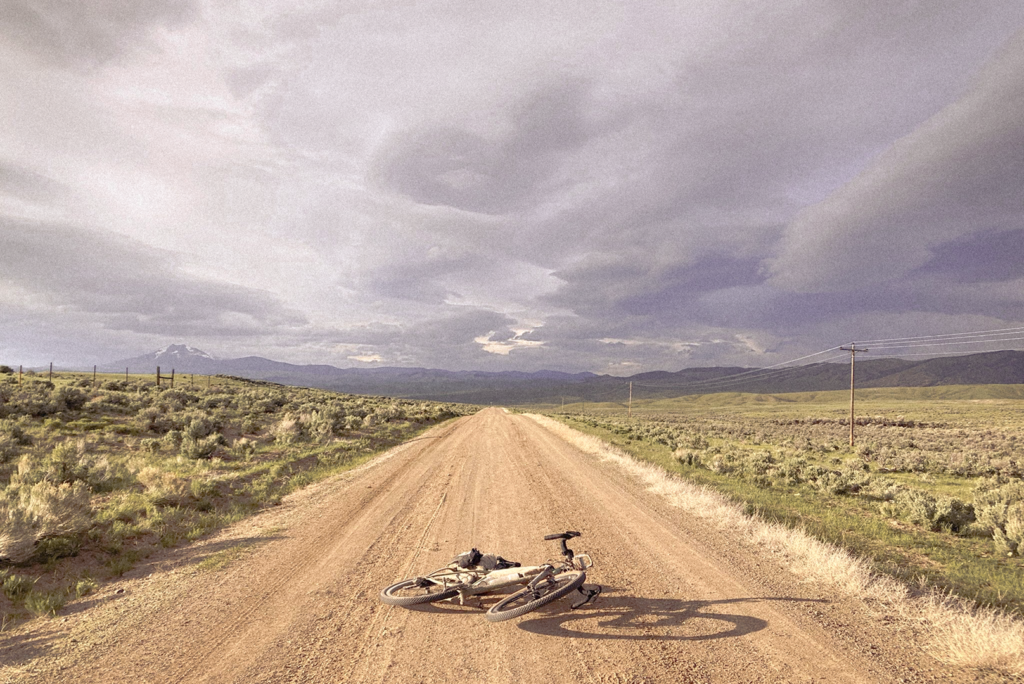
Why Is the Tour Divide Race So Hard?
2,745 miles, 150,000 feet of climbing, huge numbers, but they don’t really tell you what the Tour Divide race actually is.
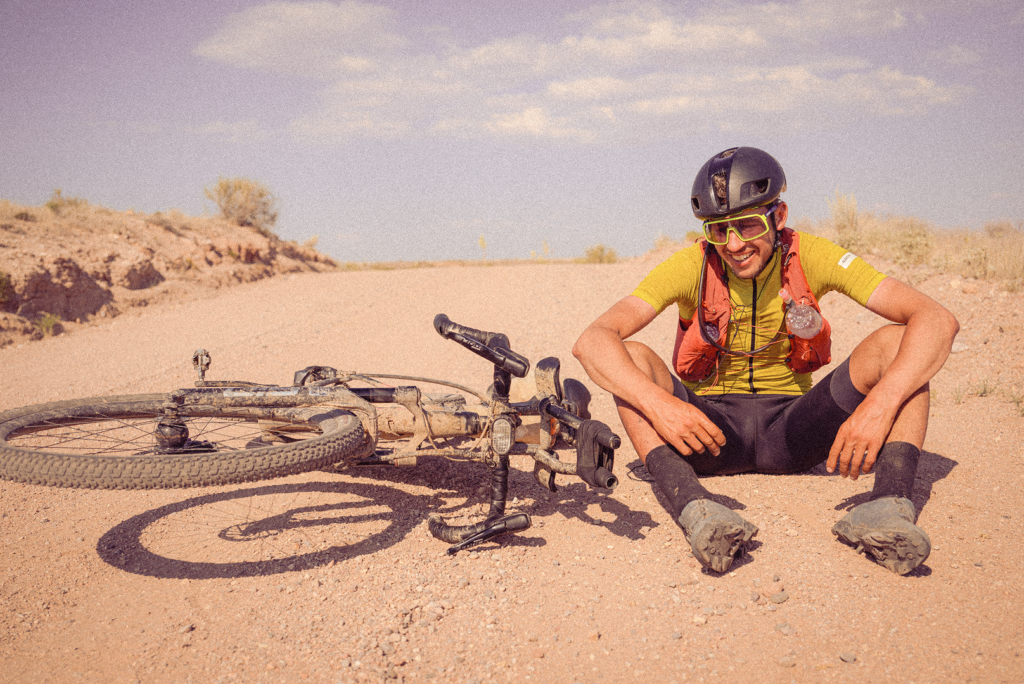
It’s the decision-making at 2am when you haven’t slept properly in four days. It’s rationing food through a 90-mile stretch with no resupply. It’s the peanut butter mud in Montana that makes every kilometre feel like three. It’s the storms that roll in across the Rockies, and the heat that hits you as you drop into New Mexico. It’s doing all of that while trying to keep your bike running, your body moving, and your head in the game.
Sleep deprivation is arguably the defining challenge. The fastest riders average three to four hours a night. Every hour you sleep, someone else is gaining ground.
The equipment stakes are equally high. At this distance, gear doesn’t just need to work – it needs to keep working. If something fails on a remote Wyoming track, you fix it yourself, or you walk.
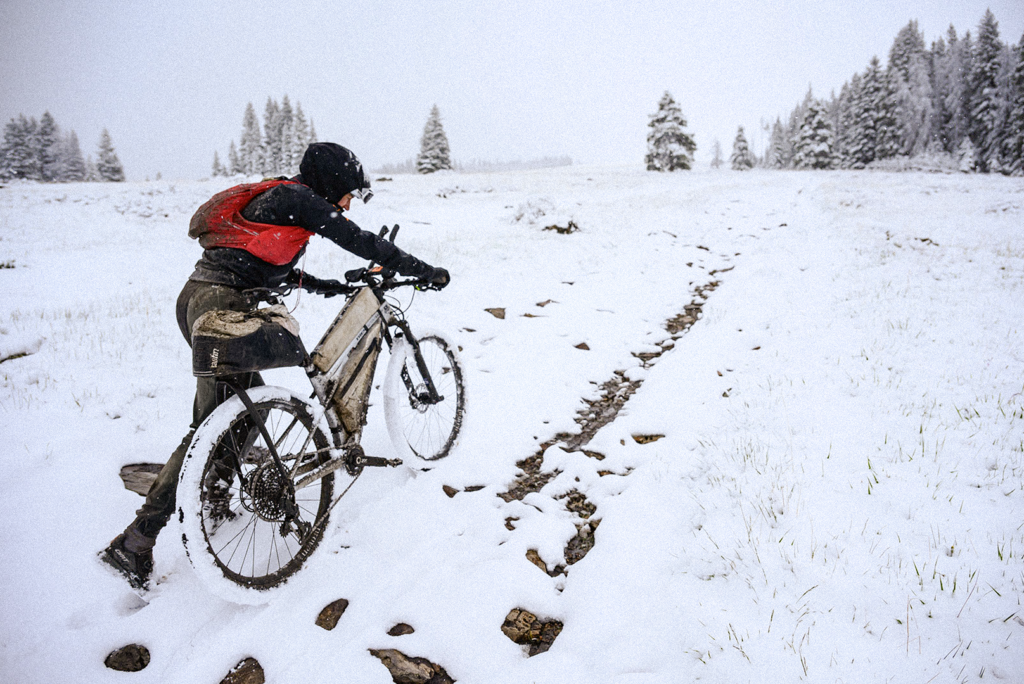
Tailfin at the Tour Divide
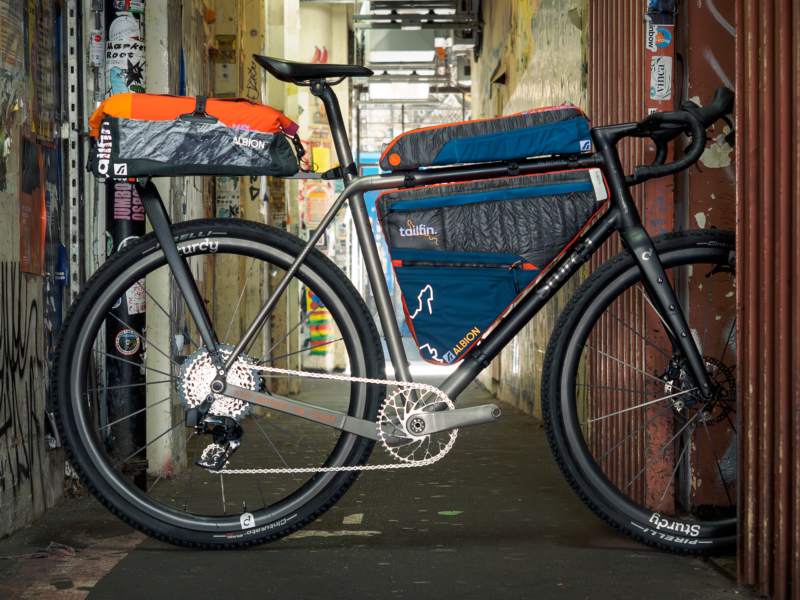
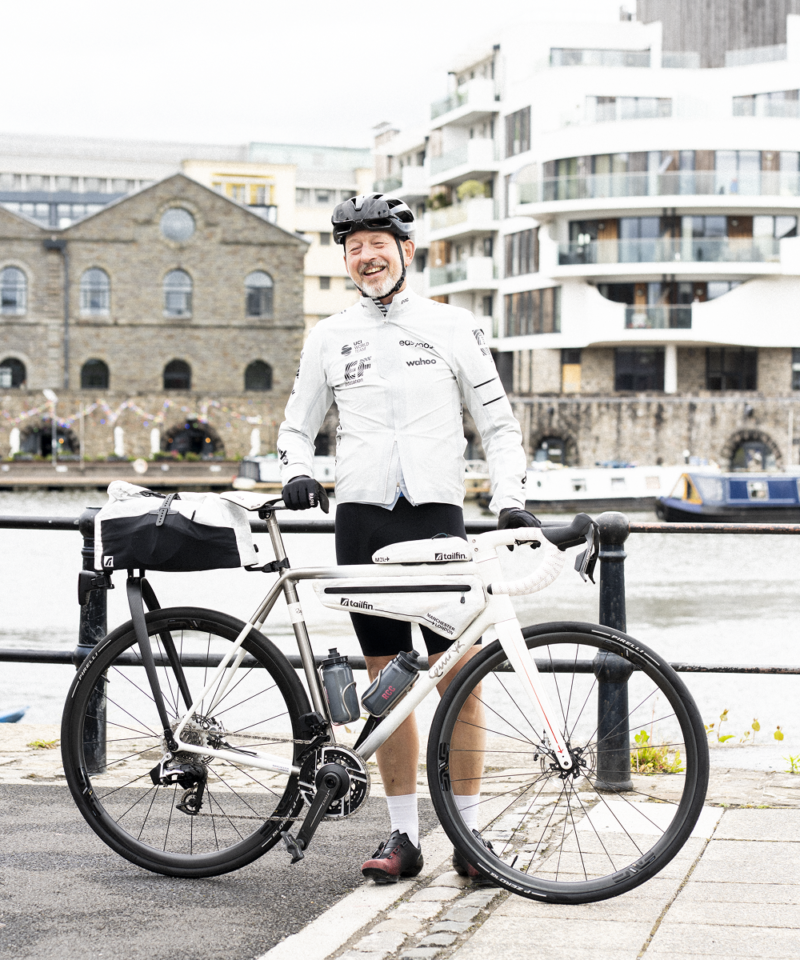
What better way to test our kit to the limits than The Tour Divide?
In 2024, R&D rider Justinas Leveika won the Tour Divide race outright and broke the men’s record. You can follow his journey in our King of Chaos film.