A couple of times a year, we give our R&D prototyping department a project with one goal in mind: to have fun and experiment; we call it R&D Kitchen. This project started with the idea of slow bike packing.
The R&D Kitchen
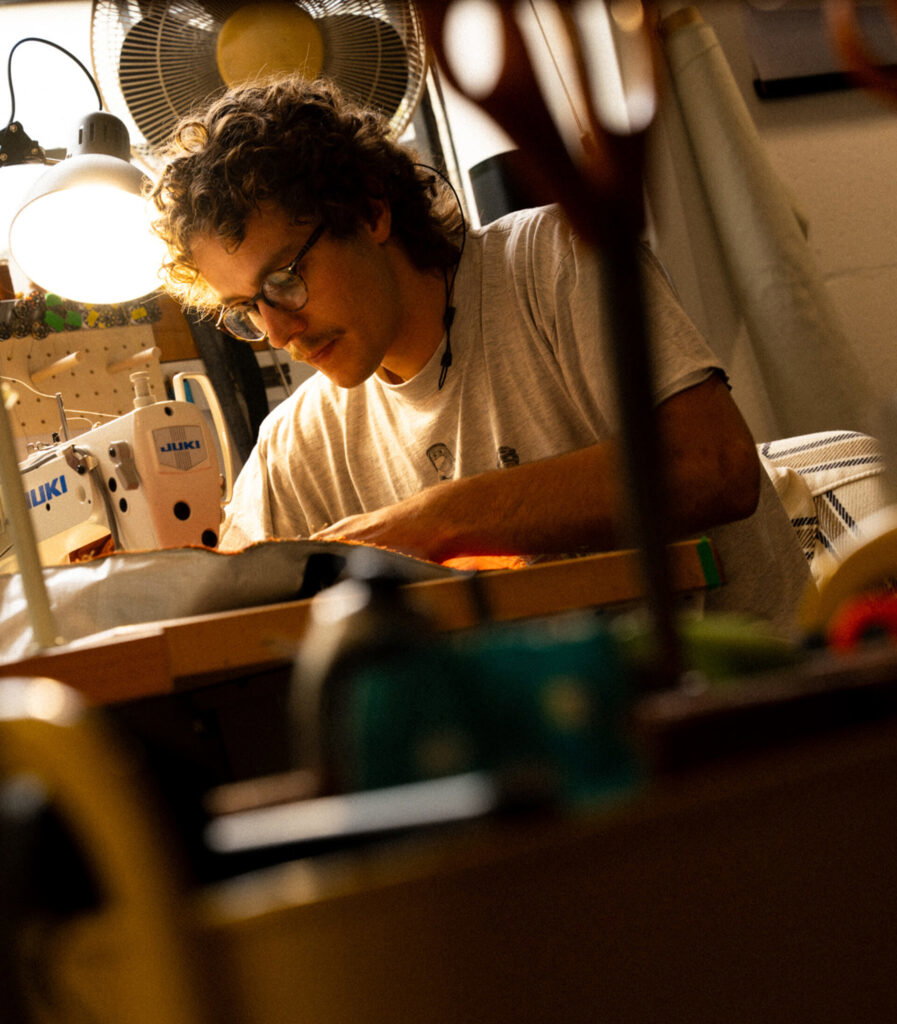
The Tailfin prototyping department principally exists to build prototypes for the Tailfin R&D Division, kitting out some of the best ultra riders in the world with bleeding-edge bike packing tech and enabling a fast, iterative way of developing products.
This kind of project is very different; there is no commercial target. This project is about creative freedom and play.
Some ideas might come out of it, but that is not the goal; it’s about throwing aside any restrictive thinking, giving freedom to the creative brain, looking at things in a different way. It’s fun and energising and very un-serious.
The brief: slow bikepacking
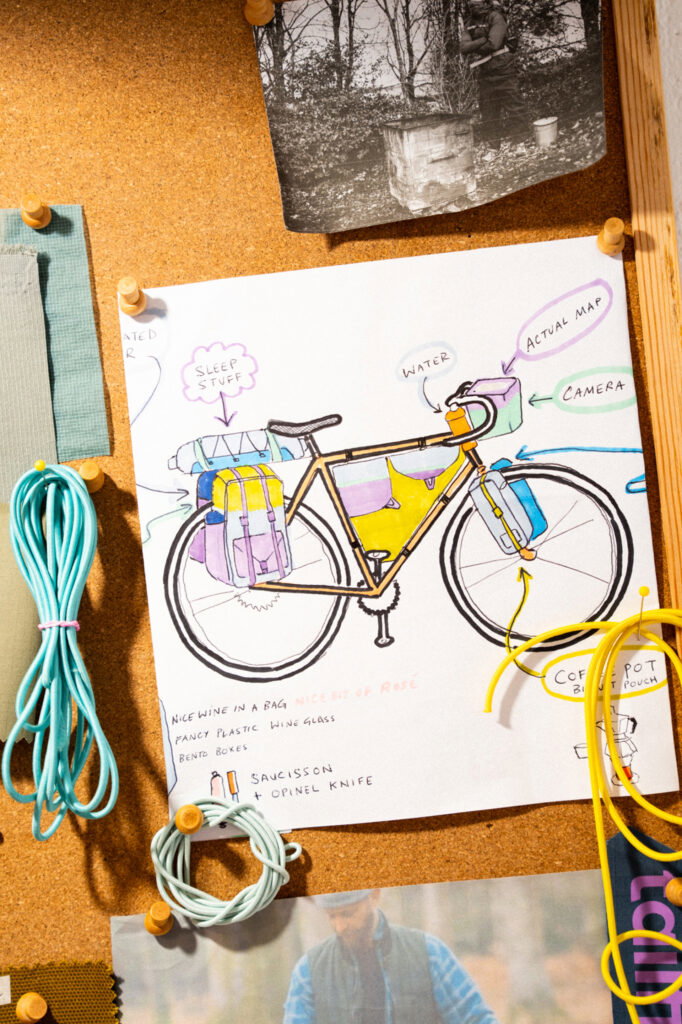
We usually lean towards lighter and faster, on this we asked ourselves what would WE want? Well, we wanted to take the extra time and the extra luxuries.
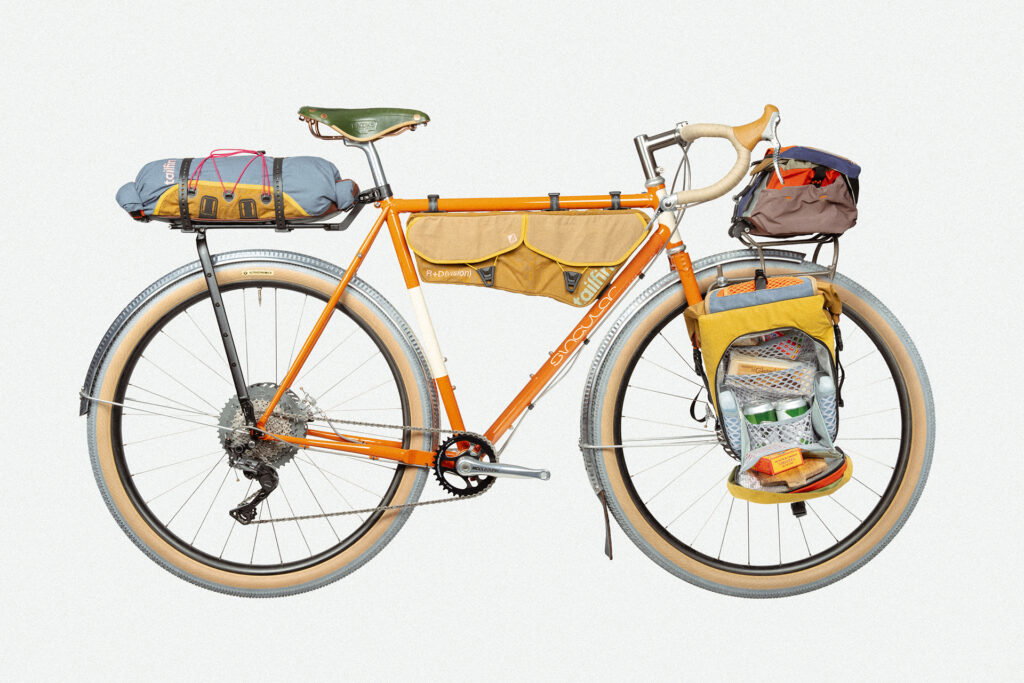
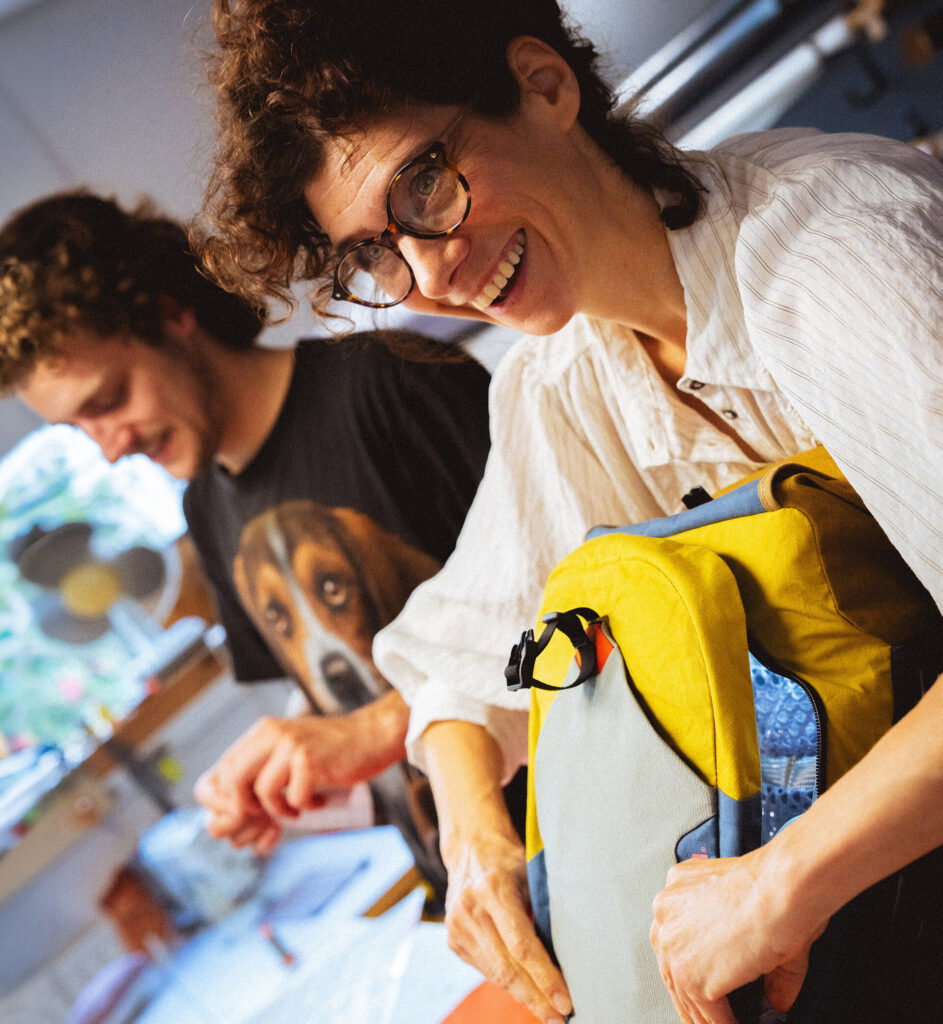
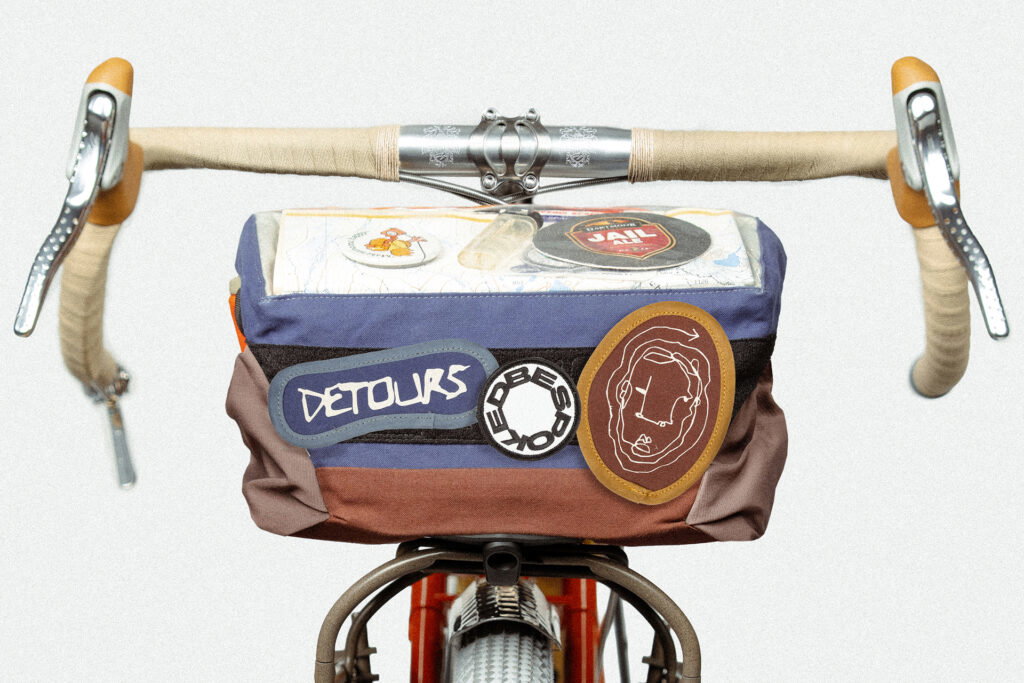
We started with a camera, maybe a film camera, let’s go analog. Theo from the product department designed a front bag to hold the camera and a map pocket. For a real paper map, just for the romance. We decided we would want to take cold beers and a refrigerated picnic, so Molly reimagined one pannier to be an insulated cool bag, and made a separate bag to hold a small espresso maker. Callum re-imagined the frame bag to have the fliptop closures instead of zips, and divided the bag vertically rather than horizontally, with easy access at the front so it can be used while riding.
We included a small sketchbook, watercolour paints and pencils, a fishing rod, a Heliox chair, and we included a towel but no swimming costume, imagining we might find a remote wild Swimming spot.
A trip built around the stops rather than the distance.
“ I’d rather take the extra weight and have all the lovely things”, Molly.
Project beginnings
The project began with Callum looking at bikes; he found photographs of touring in 1960s Japan.
“I’d seen these amazing old images of touring in the 60s in Japan, and the bikes that they built and the setups. So I was researching that, and finding out about the French history of building bikes, and how that became super popular in Japan.”
Callum, Soft Goods Prototyper
The French constructeurs built a bike as one complete system. The same builder made the frame, the racks and the bags so that everything worked together, rather than a frame to which luggage was added afterwards. Japanese builders took up the idea and refined it over the following decades, with a craft culture built on patience and quiet mastery. In Japan it was bikepacking before the word existed.
Why it fits Tailfin
That way of thinking isn’t new to us. We don’t design bags as an afterthought to a bike. The bag, the mount and the bike are one system, and a bag that moves, rattles or needs adjusting is a bag that takes your attention.
“That’s what we do here. The bags aren’t an afterthought.”
Callum
It was a good reminder of what we’re here for, and finding the same principle in a touring culture from sixty years ago was a welcome confirmation.
A British take
The question then was what a British version of that tradition might look like.
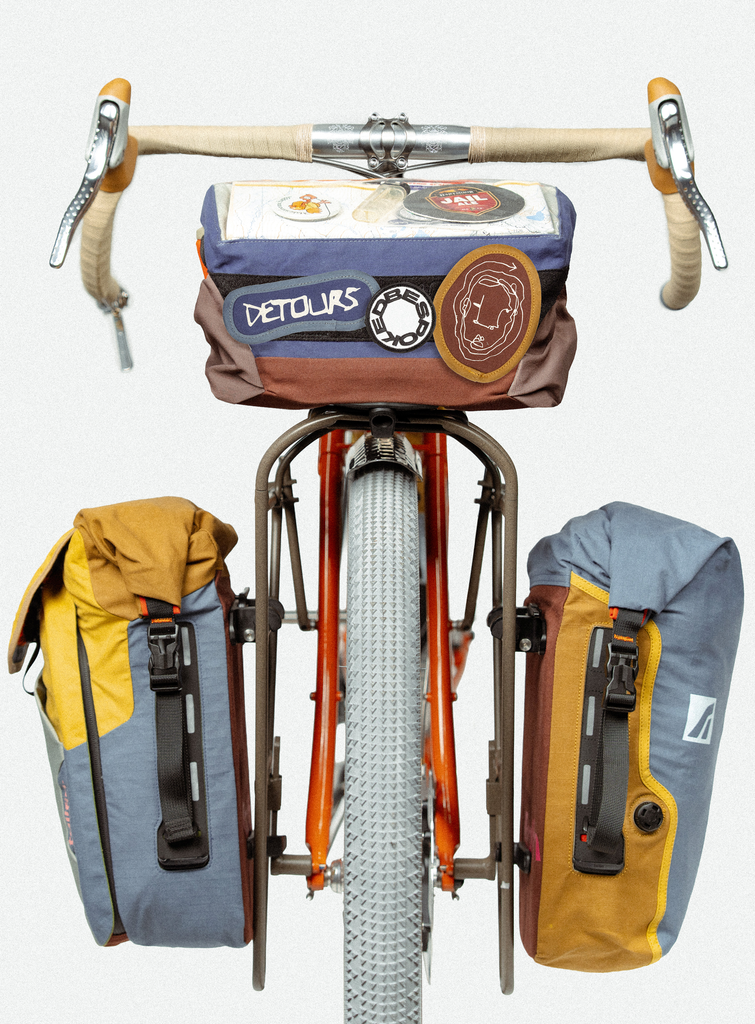
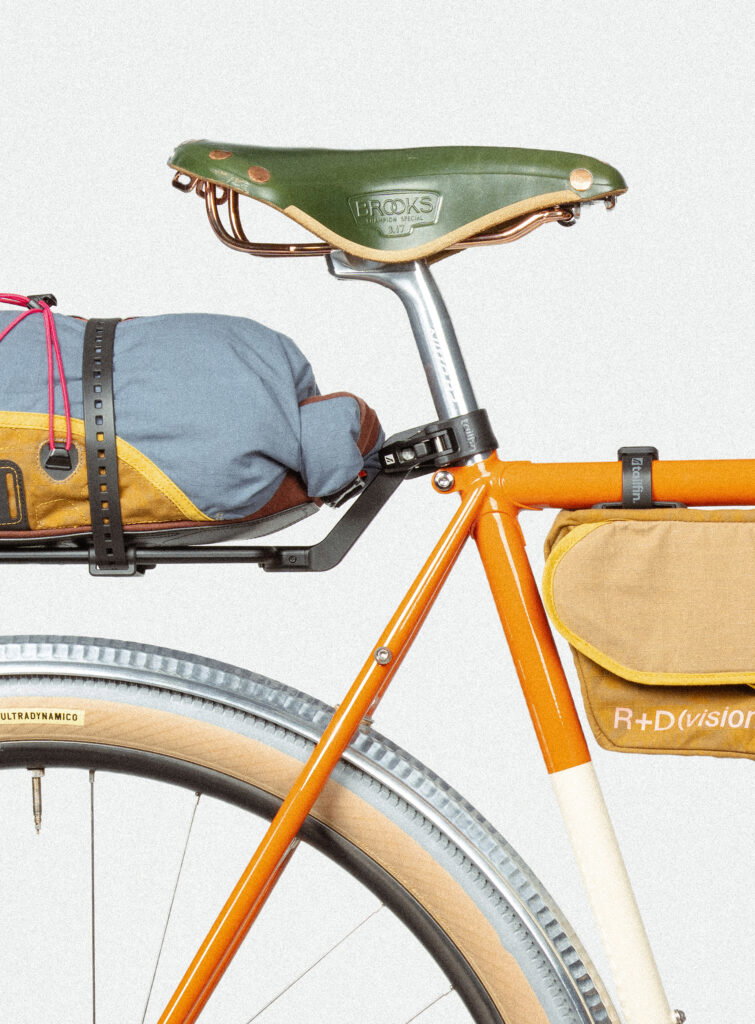
The frame is British-built, a Singular Peregrine Mk5. Singular founder Sam Alison launched the Peregrine in 2008, combining fat tyres, drop bars and disc brakes on a classically styled lugged steel frame, and it was a gravel bike before the category had a name. The fifth generation keeps that character and refines it. The components are a mix of British and Japanese, chosen as a nod to the randonneur bikes that shaped Japan’s touring scene.
The bags are our interpretation of two classics: low front panniers and a randonneur handlebar bag. Both are made in British waxed canvas, chosen because it weathers well and suits the landscape it’s used in. It softens and marks with use, and looks better for it.
Underneath the canvas, it’s still Tailfin. The setup uses the same mounting hardware and the same stability engineering as our race gear, so a loaded bike feels settled and the bags come off as easily as they go on. The look is different. The standard isn’t.
The tailor
Thinking about making the aesthetic British gave us another muse, a friend of the team and Bristol tailor David Darby Minns, sartorially impeccable, and as British as it gets. He brought us beautiful fabric samples and books full of vintage tailoring, old waxed jackets, pictures of fly fishing, and general gentlemanly-themed outdoor adventure.
The perfect inspiration.
What happens next
Will any of this go into the range? We don’t know yet, and that was never the intention. Some ideas may carry over, as they usually do. The rest will stay a one-off, made by a team given room to explore.
What we do know is that the same attention to detail that goes into a race bag applies just as well to a slow day with friends. You don’t need the lightest kit or a plan. A bag that stays where you put it and somewhere you’d like to stop is enough.
Where to see it
The bike is touring, because it deserves more than one weekend. We’ve been going to Bespoked for a few years, and it’s the right place to start: a show built around handmade bicycles and the people who make them.
Bespoked Osaka, 23–25 October 2026. Bespoked’s first show in Japan, at the GLION Museum. A fitting place to show a bike that owes so much to Japanese touring, and we’re looking forward to hearing what people there make of our British take on it.
Kendal Mountain Festival, 19–22 November 2026. Kendal, Cumbria.
Velofollies, 22–24 January 2027. Kortrijk Xpo, Belgium.
Come and talk to us about the bike and the bags.